The National Motor Vehicle Title Information System (NMVTIS) salvage vehicle database is a critical tool for California's auto industry, ensuring transparency and compliance in salvaged or junked vehicle registration. It tracks each vehicle's history, helping buyers access detailed information about accidents, flood damage, and title problems. Services like Quick Auto Tags verify and expedite salvage title processing, reducing errors and fraud. Test drives are essential to assess a vehicle's condition and history beyond performance; thorough inspection can save costs. Preparation for inspection involves understanding the re-titling process and gathering necessary documentation. Repairs should meet local regulations, with emission tests and safety inspections required. For declared salvage cars, the NMVTIS database aids in determining repair feasibility and cost-effectiveness, with reputable auto body shops crucial for restoration. Quick Auto Tags facilitates title replacement after repairs, ensuring compliance and market re-entry.
In today’s fast-paced automotive landscape, choosing the right vehicle is a complex task. The vast array of options, coupled with evolving technologies, can leave even the most seasoned buyers perplexed. Among the challenges, identifying reliable pre-owned vehicles remains a significant hurdle. This is where the NMVTIS salvage vehicle database emerges as an indispensable tool. By providing a comprehensive and accessible platform, it empowers consumers to make informed decisions, ensuring they avoid potential pitfalls associated with damaged or salvaged vehicles. This article delves into the intricacies of the NMVTIS system, highlighting its capabilities and value in navigating the market for safe and trustworthy used cars.
- Understanding NMVTIS Salvage Vehicle Database
- Benefits of Scheduling a Test Drive
- Preparing for Your Vehicle Inspection
- Navigating the Test Drive Process
- Deciding on Repairs and Next Steps
Understanding NMVTIS Salvage Vehicle Database
The National Motor Vehicle Title Information System (NMVTIS) salvage vehicle database is a powerful resource for anyone involved in California’s auto industry, particularly when it comes to understanding the status of salvaged or junked vehicles. This extensive digital archive plays a crucial role in streamlining the registration process for these vehicles, ensuring that only those with legitimate histories are returned to the road. By providing a comprehensive record of every vehicle’s journey, from original manufacturing to its current state, NMVTIS salvage database offers an invaluable tool for buyers, sellers, and auto repair professionals alike.
When a vehicle is deemed a total loss or considered unsafe for regular operation, it often enters the salvage or junked category. These vehicles, once sold at auction 1-3 times, can be purchased by dismantlers or rebuilders who either refurbish them for resale or sell them for their scrap value. NMVTIS tracks these transactions meticulously, allowing potential buyers to access detailed information about a vehicle’s history before making a purchase. This transparency is particularly beneficial in California, where the unique regulations require strict adherence to proper registration procedures for salvaged vehicles.
To simplify this process, services like Quick Auto Tags offer specialized DMV salvage title processing. They leverage the NMVTIS salvage vehicle database to verify and expedite the registration of these cars, ensuring compliance with state laws. This not only saves time but also reduces the risk of errors or fraudulent activities associated with salvage titles. For instance, buyers can confirm if a vehicle has been involved in significant accidents, flood damage, or had previous title issues, enabling them to make informed decisions and avoid potential pitfalls.
By utilizing the NMVTIS database and availing themselves of efficient processing services, California’s auto industry stakeholders can navigate the intricacies of salvage vehicle registration with greater ease. This streamlined approach not only fosters trust among buyers and sellers but also contributes to a safer and more transparent automotive market.
Benefits of Scheduling a Test Drive

Scheduling a test drive goes beyond simply experiencing a vehicle’s performance; it offers valuable insights into its condition and history. This is particularly crucial when considering vehicles from NMVTIS salvage vehicle database sources, such as part salvage or recycling purposes, as these cars often come with unique considerations. A test drive allows buyers to assess the car’s functionality, identify potential issues, and verify if it aligns with their needs—a critical step in making an informed decision.
For instance, a salvage title or a rebuilt/reconstructed title indicates that the vehicle has been repaired after a significant incident. During the test drive, you can evaluate how well these repairs have held up over time. Major components like the engine, transmission, and frame should be thoroughly checked to ensure they operate smoothly and efficiently. A professional inspection is beneficial here, as experts can uncover subtler issues that may not be immediately apparent. In California, where streamlining the registration of salvage vehicles is a priority, having a clear understanding of the vehicle’s history through a test drive can expedite the registration process by 1-3 times when utilizing services like Vehicle salvage re-registration assistance from Quick Auto Tags.
Moreover, a test drive provides an opportunity to assess the overall market value of the vehicle. Data suggests that vehicles with transparent repair histories and proper documentation can often be sold at higher prices due to their reduced risk profile. By taking the time to thoroughly inspect the car during a test drive, buyers can make more accurate assessments and negotiate better terms, potentially saving them substantial costs in the long run. This is especially important when dealing with part salvage vehicles, where the condition of individual components directly impacts the overall value and resalability.
Preparing for Your Vehicle Inspection

Preparing for a vehicle inspection is a crucial step when acquiring a salvaged or junked car. With the NMVTIS salvage vehicle database as your guide, understanding what to expect during the re-titling process can streamline the registration of your California salvage vehicle. The first step involves thoroughly examining the vehicle’s history through reputable sources like the NMVTIS system, which provides detailed information on a vehicle’s past, including any damage or repairs.
Before scheduling your test drive, gather necessary documentation to ensure a smooth re-titling process. This includes proof of identification, the original title (if available), and any records related to prior ownership or repair work. It’s also essential to check if the vehicle has been disassembled for part salvage or recycling purposes, as this can impact registration requirements. California offers efficient solutions like DMV salvage title processing through Quick Auto Tags, simplifying the process 1-3 times faster than traditional methods.
When preparing your vehicle for inspection, ensure all necessary repairs are completed to meet local regulations. This may involve structural repairs and replacement of any missing or damaged parts. Keep in mind that certain criteria must be met before a salvaged vehicle can obtain a new title. For instance, data from the California DMV indicates that vehicles must pass an emission test and safety inspection to be re-titled. By following these steps and seeking expert advice when needed, you’ll be well on your way to successfully navigating the registration of your salvage vehicle in California.
Navigating the Test Drive Process

Navigating the test drive process is a crucial step when considering purchasing a salvage-titled vehicle in California. The state’s NMVTIS (National Motor Vehicle Title Information System) salvage vehicle database plays a vital role in streamlining registration for these vehicles, ensuring transparency and safety. When you’re ready to take that next step, remember that a test drive isn’t just about evaluating the car’s performance; it’s also an opportunity to inspect its condition, assess any visible damage, and verify the vehicle’s history reported by the database.
In California, where the registration of salvage vehicles is strictly regulated, understanding the process is key to a smooth transaction. A salvage title or a rebuilt/reconstructed title indicates that the vehicle has been restored after being damaged and declared total loss. This can be a cost-effective option for buyers, but it’s essential to ensure the repairs meet safety standards and legal requirements. For instance, quick junk car DMV processing at Quick Auto Tags can expedite the registration process, especially if all necessary documentation is in order.
During your test drive, pay close attention to any unusual noises, check for proper functionality of lights and signals, and assess the overall handling and performance. It’s also wise to inspect the vehicle’s interior and exterior for signs of substandard repair or incomplete restoration. If you’re unsure about any aspect, don’t hesitate to consult with a trusted mechanic before finalizing your purchase. By taking a methodical approach to the test drive process, buyers can make informed decisions when considering salvage-titled vehicles in California, ultimately ensuring a satisfying and safe automotive acquisition.
Deciding on Repairs and Next Steps
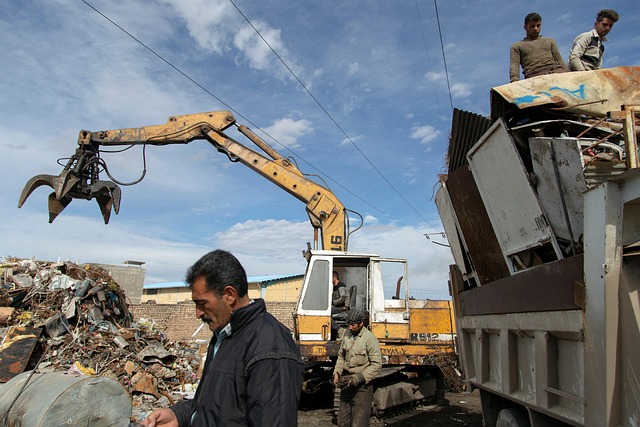
When it comes to deciding on repairs for a salvage vehicle, understanding the NMVTIS salvage vehicle database is crucial. This comprehensive resource provides detailed information about vehicles that have been declared salvage, sold at auction one to three times, and their current condition. By leveraging this data, you can make informed decisions about whether to repair and re-register your vehicle. The process starts with assessing the extent of damage using the NMVTIS database as a reference point. This step is vital as it helps determine if repairs are cost-effective and feasible.
For instance, let’s consider a vehicle that has undergone minor accidents but still retains most of its original components. In such cases, getting your salvage vehicle back on the road with ease becomes achievable. Repairs can range from simple body work to more complex engine replacements, depending on the extent of damage documented in NMVTIS. The key is to find a reputable auto body shop that specializes in repairing declared salvage vehicles. They can accurately assess and restore your vehicle to its pre-accident condition.
Once repairs are complete, the next step involves salvaging title replacement and re-registration. Quick Auto Tags offers an efficient solution for this process. By utilizing their services, you can easily navigate the complexities of NMVTIS and obtain the necessary documentation for registration. This includes ensuring that all components of the vehicle meet safety standards and are legally compliant. The data from NMVTIS serves as a critical tool in verifying the history of your salvage vehicle and facilitating its re-entry into the market, whether through sale or auction.
By delving into the NMVTIS salvage vehicle database and understanding its capabilities, individuals can make informed decisions when considering a pre-owned vehicle. The benefits of scheduling a test drive extend beyond mere convenience; it’s an essential step in ensuring the vehicle aligns with your needs and expectations. Through proper preparation and inspection, you can confidently navigate the process, identify potential issues, and decide on the best course of action. This article has empowered readers to approach the purchase of salvage vehicles with knowledge and caution, leveraging the NMVTIS database as a powerful tool in their decision-making journey.